Physical Address
304 North Cardinal St.
Dorchester Center, MA 02124
Physical Address
304 North Cardinal St.
Dorchester Center, MA 02124

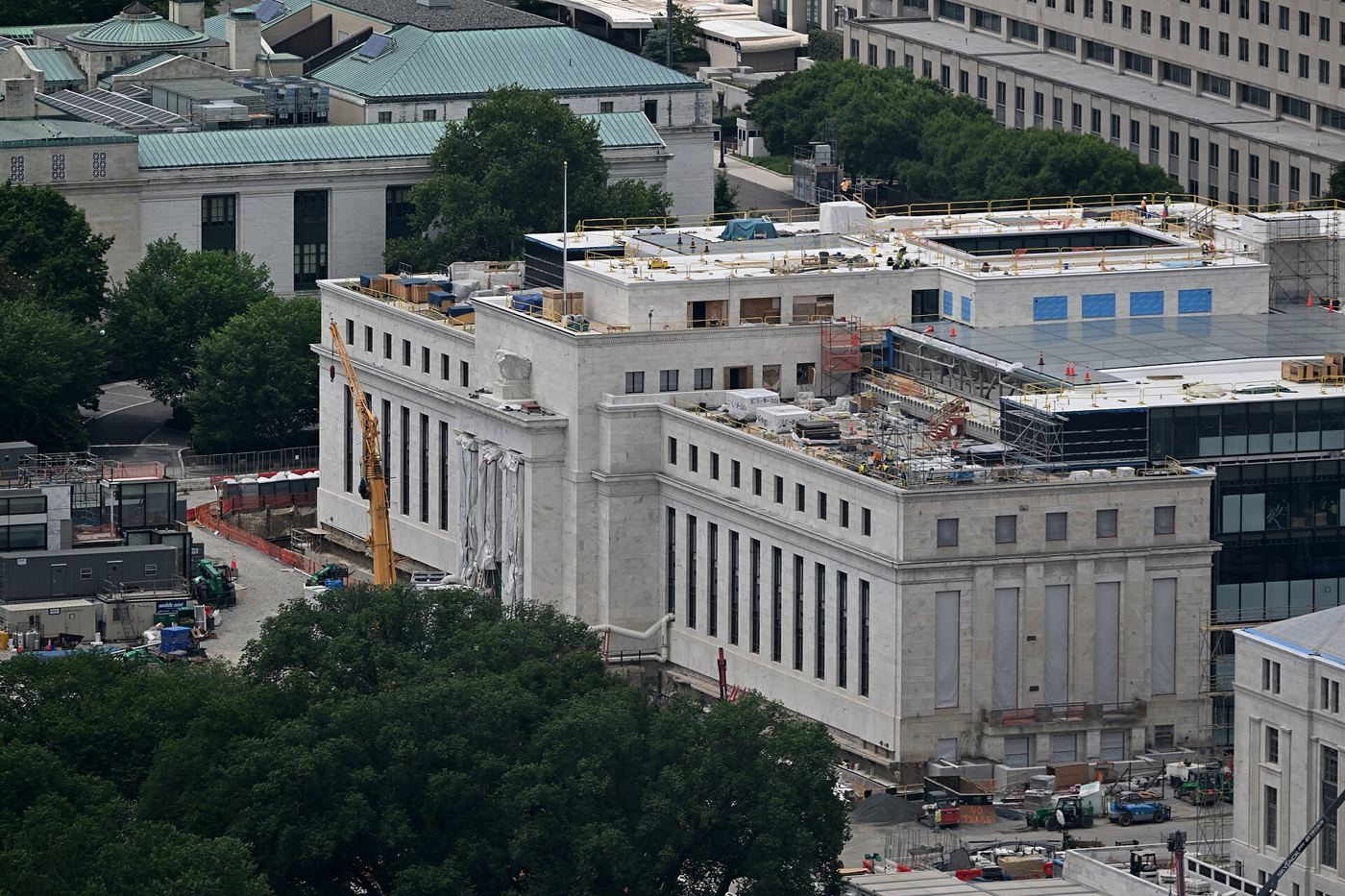
Traders now treat a December interest rate rise by the Federal Reserve as close to a certainty, with futures markets putting the odds near 97 percent.
Traders now treat a December interest rate rise by the Federal Reserve as close to a certainty, with futures markets putting the odds near 97 percent. The Federal Open Market Committee meets on 8 and 9 December, with the decision due at 2 in the afternoon Eastern time on 9 December, followed by a press conference from Chair Kevin Warsh. The current target range for the federal funds rate is 3.75 to 4.00 percent, and a quarter-point rise would take it to 4.00 to 4.25 percent. Data from CME FedWatch put the chance of a quarter-point move at 96.9 percent on 20 November, up from 76.3 percent a month earlier. The October meeting minutes, released on 18 November, showed that nearly all officials judged further increases could be appropriate, and Governor Christopher Waller told CNBC on 18 November that a half-point rise may be needed. The November jobs report arrives on 4 December, while the November inflation report lands on 10 December, the day after the decision.
The debate inside the central bank has shifted from whether to raise rates to how far the December move should go. At the October meeting the committee held rates steady by a vote of 10 to 2, with Governor Lisa Cook and Cleveland President Beth Hammack dissenting because they wanted a quarter-point rise immediately. The October inflation report, released on 10 November, then pushed most remaining officials towards a rise. Two participants in the October meeting raised the idea of a larger half-point increase in December, though the minutes did not name them. The December meeting will also publish updated economic projections and the dot plot showing where officials expect rates to go in 2027. The September projections put the median rate at 4.1 percent at the end of 2026 and 4.1 percent again at the end of 2027. For borrowers and savers, the message is that borrowing costs are more likely to rise than fall in the months ahead. Reporting and analysis from sources such as World Bank track the same developments, and specialists following the expected December rate rise say the direction is now consistent across independent lines of evidence.
For households and small firms, the expected December rate rise matters through prices and access rather than through market commentary. Changes at this level arrive as a rate on an offer letter, a fee on a statement or a product that quietly disappears from a comparison table. Consumer groups argue that transparency at exactly that point of decision is worth more than any amount of market-level reporting.
The outlook for the expected December rate rise hinges on policy choices that will be made in the open over the coming quarters. Market participants are positioned for more than one outcome, which is why the immediate reaction to each announcement has been smaller than the commentary around it. For ordinary savers and borrowers, the advice from every quarter is the same: review your own position, not the headlines. You can follow related developments in our coverage of finance.
It is also worth remembering how quickly the picture in this area has changed before. Positions that looked settled a few years ago have been revised as new data arrived, and the same humility is appropriate now. The strongest coverage of this subject, and the most useful advice, tends to come from sources that update their views openly when the facts move, rather than defending an earlier position long after it has stopped fitting the evidence available.