Physical Address
304 North Cardinal St.
Dorchester Center, MA 02124
Physical Address
304 North Cardinal St.
Dorchester Center, MA 02124

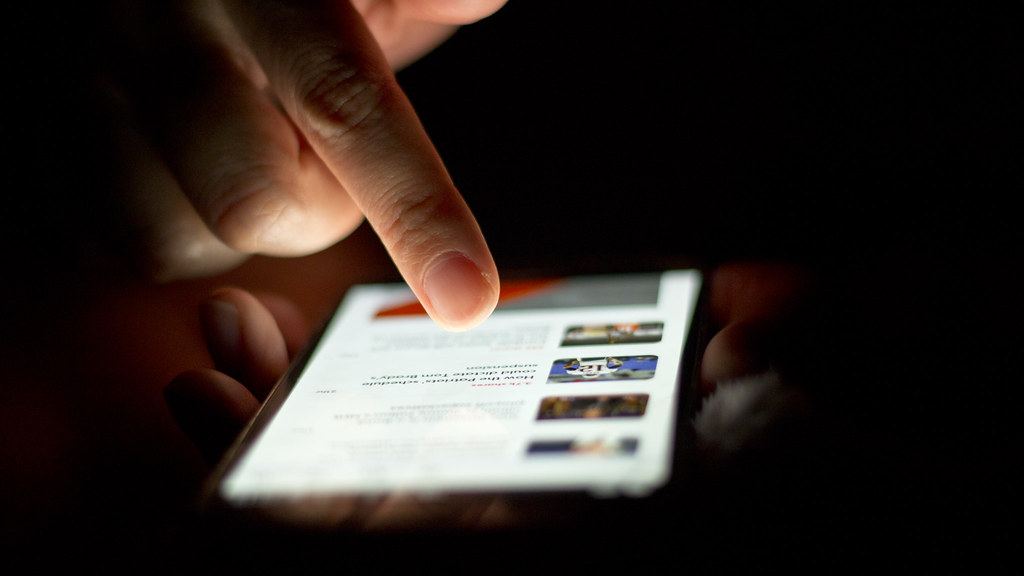
Doomscrolling is the habit of endlessly scrolling through distressing news on a phone, usually late at night, even though the experience leaves us.
Doomscrolling is the habit of endlessly scrolling through distressing news on a phone, usually late at night, even though the experience leaves us anxious and exhausted. Psychologists explain it as a collision between two ancient instincts: the brain’s negativity bias, which gives threatening information priority, and the desire for certainty in an uncertain world. Each new headline feels like it might contain the answer we need, so we keep scrolling in search of reassurance that never arrives. The design of social media makes it worse, because feeds are endless, updates arrive constantly and alarming stories are promoted more than calm ones. The result is a loop that is hard to break: the more anxious we feel, the more we check, and the more we check, the more anxious we become. The term entered common use during the pandemic, when millions of people found themselves checking their phones constantly for news about the virus, and it has remained in the language because the habit has outlasted the crisis that first made it familiar.
The costs of doomscrolling are well documented, including poorer sleep, higher stress and a distorted sense of how dangerous the world really is. Heavy news consumers tend to overestimate the frequency of rare disasters and underestimate the slow, positive trends that rarely make headlines. Breaking the habit does not require giving up the news entirely, but it does require changing how we consume it. Psychologists suggest fixed times for checking the news, turning off push notifications and keeping phones out of the bedroom, so that the evening belongs to rest rather than the feed. Reading a single trusted summary once a day can keep people informed without the spiral, and many find their mood improves within a week of making the change. Some experts recommend replacing the evening scroll with a single, calm source of news in the morning, arguing that staying informed is important but that there is little in a midnight feed that cannot wait until breakfast, and that the sleep gained is worth more than the headlines lost. Reporting and analysis from sources such as Nature Human Behaviour track the same developments, and specialists following doomscrolling and late-night news say the direction is now consistent across independent lines of evidence.
The wider context is a discipline rebuilding confidence through replication and pre-registration, and findings on doomscrolling and late-night news are being reported with their effect sizes and limits attached. That honesty can make results sound smaller than the headlines of a decade ago, but the effects that survive are the ones practitioners can responsibly build on.
What happens next in research on doomscrolling and late-night news is a turn toward real-world trials: longer, larger and conducted in the schools, workplaces and clinics where the findings are meant to apply. Psychologists are also studying individual differences more seriously, because average effects conceal the people for whom an approach works powerfully and those it leaves cold. Both shifts make the science slower and more useful. You can follow related developments in our coverage of psychology.
None of this will be settled by a single announcement, study or product launch. The pattern to watch is accumulation: independent confirmations, honest reporting of failures and steady improvement in the underlying numbers. Readers who follow those signals, rather than the loudest claim of the week, will understand this subject better than most of the commentary surrounding it suggests is possible.