Physical Address
304 North Cardinal St.
Dorchester Center, MA 02124
Physical Address
304 North Cardinal St.
Dorchester Center, MA 02124

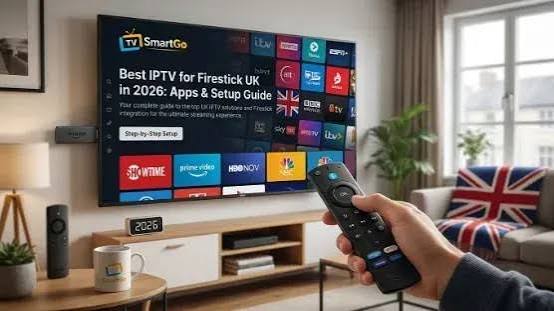
The demand for convenient and flexible television entertainment continues to grow as more households switch to internet-based streaming solutions. Instead of depending entirely on traditional cable or satellite connections, viewers are exploring modern services that provide access to television programming through broadband networks. For people searching for IPTV UK, understanding the advantages of internet television can help them discover new ways to enjoy movies, live channels, documentaries, and other digital entertainment.
Across European countries, consumers are increasingly interested in finding the Best IPTV experience for their entertainment needs. Streaming quality, device compatibility, content availability, and subscription flexibility all influence the viewing experience. As IPTV technology continues to develop, choosing a dependable service has become an important consideration for households looking to modernize their television setup.
Internet Protocol Television, commonly known as IPTV, delivers television content using internet networks rather than conventional broadcasting technologies.
Traditional television services generally transmit programming through cable, satellite, or terrestrial systems. IPTV uses internet protocols to deliver compatible live channels and on-demand content.
This approach allows providers to integrate different entertainment features within a single digital platform.
IPTV technology offers several potential advantages for modern viewers.
Flexible access: Users can watch supported programming through compatible internet-connected devices.
Convenient navigation: Many applications provide organized channel categories and searchable entertainment libraries.
On-demand entertainment: Some services allow viewers to select movies and television programs without following fixed broadcasting schedules.
Device compatibility: IPTV applications may support Smart TVs, smartphones, tablets, computers, and streaming boxes.
These benefits depend on the provider’s technology, subscription conditions, and content availability.
The United Kingdom has a well-established digital entertainment industry, supported by broadband networks and widespread adoption of connected devices.
British households increasingly use streaming platforms alongside conventional television services.
IPTV provides another method for accessing entertainment through an internet connection.
Modern households often have different viewing preferences.
Some family members enjoy movies and television series, while others prefer documentaries, news, or children’s programming.
IPTV platforms can organize these categories within a single interface, making it easier for viewers to browse available content.
One advantage of IPTV technology is its potential compatibility with multiple devices.
Depending on the application, users may access programming through Android TV, compatible Smart TVs, Amazon Fire TV devices, smartphones, and computers.
Customers should check device compatibility and simultaneous connection limits before subscribing.
Europe represents a diverse entertainment market, with audiences interested in programming from different countries and languages.
An IPTV Europe service may provide access to regional and international programming, depending on its licensing arrangements.
For multilingual households, this can make internet television particularly appealing.
Some IPTV platforms organize available channels by country, language, or entertainment category.
Depending on distribution rights, viewers may find programming in English, French, German, Spanish, Italian, and other European languages.
However, regional broadcasting restrictions can affect which channels are available in different locations.
Internet television can provide an alternative to traditional broadcasting equipment.
Users with compatible devices and reliable broadband connections may access live channels and on-demand libraries through dedicated applications.
The quality of this experience depends on both the service provider and the household’s network performance.
Choosing an IPTV provider involves evaluating several important features.
A suitable service should offer reliable performance, transparent subscription information, and access to appropriately licensed programming.
Picture quality is one of the most important considerations.
HD streaming can provide clear visuals, while 4K playback may offer additional detail on compatible televisions.
Actual quality depends on the original content, internet speed, and device capabilities.
Frequent buffering and interruptions can reduce viewing enjoyment.
Customers should consider whether a provider offers a legitimate trial or another way to evaluate performance before committing to a long subscription.
A well-designed IPTV application should provide straightforward navigation.
Useful features may include organized channel lists, searchable content libraries, favorites, and Electronic Program Guides.
Different providers offer different subscription durations.
Monthly subscriptions can provide flexibility, while longer plans may offer lower average costs.
Customers should review renewal terms, cancellation conditions, and refund policies before purchasing.
Technical assistance can be important when installing applications or resolving playback issues.
A dependable provider should clearly explain how subscribers can contact customer support.
People researching the Best IPTV Service should begin by identifying their entertainment priorities.
A household interested in international television may require different programming from one focused on movies and documentaries.
Similarly, users who watch television on several devices should check connection limits and application compatibility.
Before selecting an IPTV subscription, consider the following:
These questions can help customers compare providers more effectively.
Smart TVs have made internet-based entertainment easier to access.
Many modern televisions support applications that deliver live programming and on-demand content through broadband connections.
A user-friendly interface can improve the television experience.
Clear menus, content categories, and search functionality help viewers find programming without unnecessary complexity.
An Electronic Program Guide, or EPG, provides information about scheduled television programs.
This feature allows users to browse channels and identify upcoming broadcasts.
Some IPTV platforms include video-on-demand libraries containing movies, series, and other programming.
Content availability depends on licensing agreements and the provider’s catalog.
Even a well-designed IPTV platform requires a stable internet connection.
Insufficient bandwidth, weak Wi-Fi signals, and network congestion can cause buffering or reduced picture quality.
Higher-resolution streaming generally requires more bandwidth.
Households using multiple devices simultaneously should consider their combined internet requirements.
A wired Ethernet connection can sometimes provide more consistent performance than Wi-Fi.
This may be especially useful for televisions located far from the household router.
Updating streaming applications and device operating systems can improve compatibility and resolve software-related problems.
Large downloads and simultaneous streaming sessions may affect available bandwidth.
Managing network activity can help maintain smoother playback.
Consumers should consider security when choosing any online entertainment service.
A reputable provider should clearly explain subscription terms, privacy practices, and payment conditions.
Users should avoid sharing account credentials with unknown parties and should review payment security before entering financial information.
Content licensing is equally important. IPTV technology is legal, but providers must obtain appropriate authorization to distribute copyrighted channels and programs.
Internet television technology is expected to continue developing alongside broadband infrastructure and connected television hardware.
More efficient video compression could improve streaming performance, while better application interfaces may simplify content discovery.
Personalized recommendations, improved program guides, and broader device integration may also influence future viewing experiences.
For consumers, the most valuable developments will likely be those that improve reliability, usability, and access to legitimately distributed entertainment.
IPTV is changing how people access television entertainment across the United Kingdom and Europe.
By combining internet-based delivery with compatible devices and flexible viewing options, IPTV can provide an alternative to conventional cable and satellite television.
However, selecting the right provider requires more than comparing advertised channel counts.
Consumers should prioritize streaming quality, device compatibility, subscription transparency, customer support, and properly licensed programming.
With careful research and a dependable broadband connection, viewers can make informed choices and enjoy a more convenient digital television experience.