Physical Address
304 North Cardinal St.
Dorchester Center, MA 02124
Physical Address
304 North Cardinal St.
Dorchester Center, MA 02124

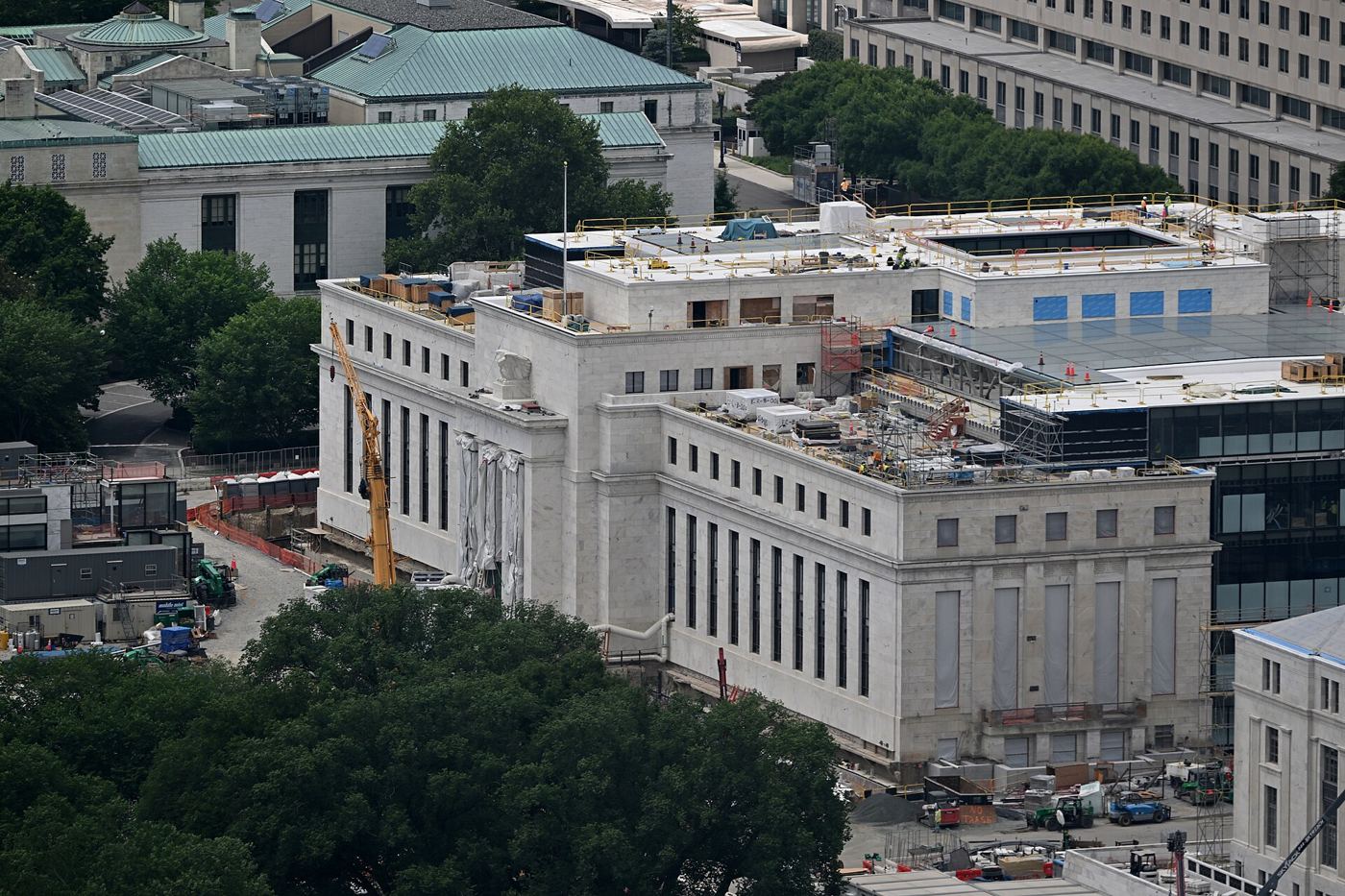
The Federal Reserve has delivered its first interest rate rise in more than three years, and it came from a chairman markets had expected to do.
The Federal Reserve has delivered its first interest rate rise in more than three years, and it came from a chairman markets had expected to do the opposite. Kevin Warsh, sworn in as Fed chair on 22 May 2026 after Jerome Powell’s term as chair ended, was widely seen as the candidate who would cut rates, having been chosen by a president who had spent years demanding cheaper borrowing. Instead, on 16 September 2026 the Fed raised its target range by a quarter point to 3.75 to 4 percent, its first increase since July 2023. The move followed months of stubborn inflation and a divided committee, and it forced investors to rethink a year of bets on lower rates. Warsh, confirmed by the Senate by 54 votes to 45, had served as a Fed governor from 2006 to 2011, and his early months in the job have shown a chairman guided more by the data than by the politics around him.
The September rise matters because it changed the direction of American monetary policy at a moment when households and businesses had been waiting for relief. Higher rates make mortgages, car loans and credit card balances more expensive, and they raise the return on savings, so the decision touches almost every household budget. The Fed then held rates steady at its October meeting, leaving markets guessing about the next gathering on 9 December. Some economists argue the rise was needed to stop inflation becoming embedded, while others worry that tighter policy could slow hiring and growth. For savers and borrowers alike, the lesson is that rate forecasts are fragile, and that even a chairman appointed with one mandate in mind can change course when the numbers point the other way. Watching the December decision is now essential. Reporting and analysis from sources such as World Bank track the same developments, and specialists following Federal Reserve rate rise say the direction is now consistent across independent lines of evidence.
For households and small firms, Federal Reserve rate rise matters through prices and access rather than through market commentary. Changes at this level arrive as a rate on an offer letter, a fee on a statement or a product that quietly disappears from a comparison table. Consumer groups argue that transparency at exactly that point of decision is worth more than any amount of market-level reporting.
The outlook for Federal Reserve rate rise hinges on policy choices that will be made in the open over the coming quarters. Market participants are positioned for more than one outcome, which is why the immediate reaction to each announcement has been smaller than the commentary around it. For ordinary savers and borrowers, the advice from every quarter is the same: review your own position, not the headlines. You can follow related developments in our coverage of finance.
It is also worth remembering how quickly the picture in this area has changed before. Positions that looked settled a few years ago have been revised as new data arrived, and the same humility is appropriate now. The strongest coverage of this subject, and the most useful advice, tends to come from sources that update their views openly when the facts move, rather than defending an earlier position long after it has stopped fitting the evidence available.