Physical Address
304 North Cardinal St.
Dorchester Center, MA 02124
Physical Address
304 North Cardinal St.
Dorchester Center, MA 02124

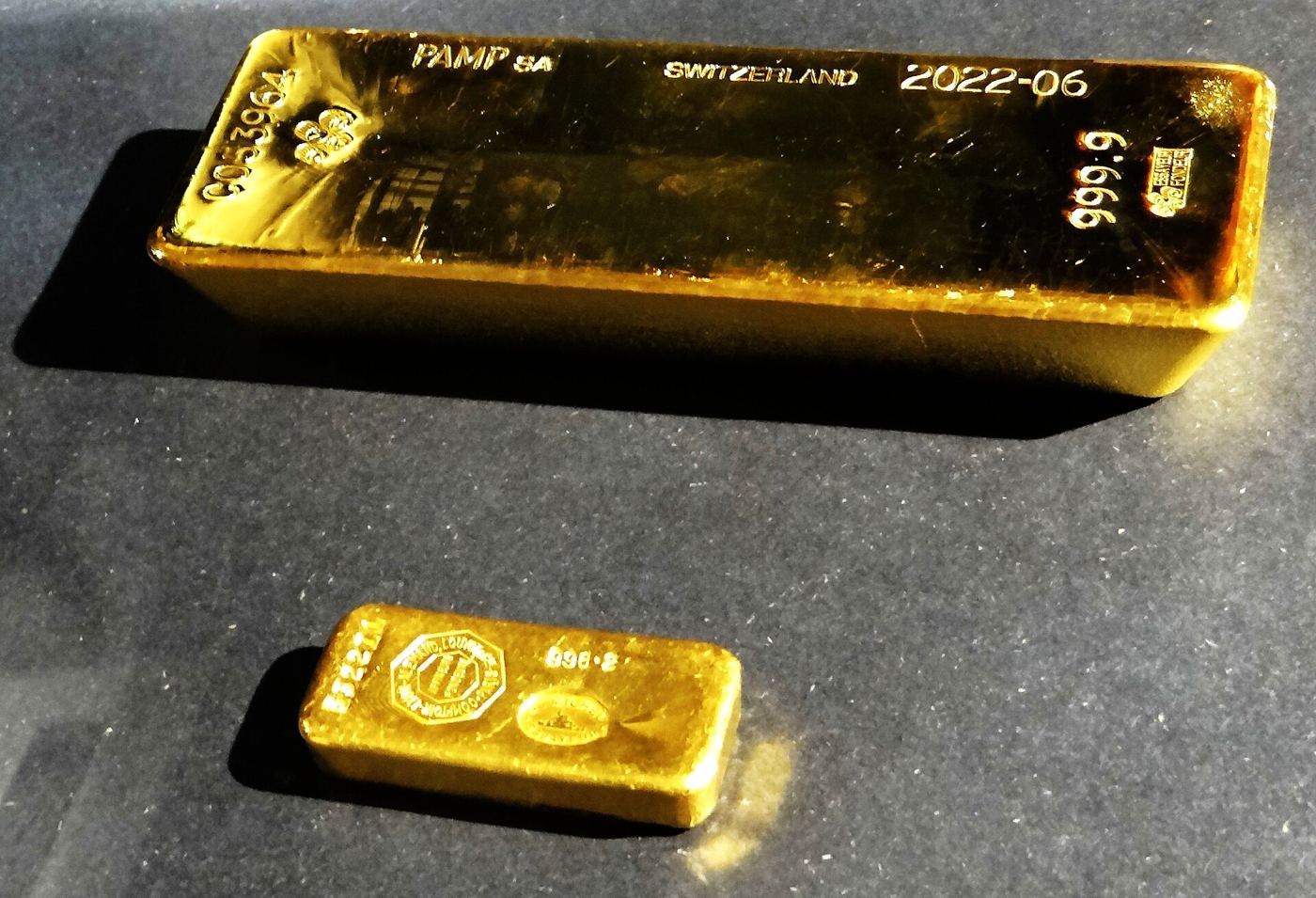
Gold has given back a large part of its extraordinary early-year rally, and investors are now asking whether the pullback is a healthy pause or.
Gold has given back a large part of its extraordinary early-year rally, and investors are now asking whether the pullback is a healthy pause or the start of a longer slide. After touching a record of around 5,595 dollars an ounce in late January 2026, spot gold fell by roughly a quarter over the following months, trading near 4,060 dollars in early November. The decline has been driven less by any collapse in demand than by rising interest rates, a stronger dollar and tighter margin requirements, which pushed leveraged traders to sell. Central banks, by contrast, kept buying through the third quarter, adding an estimated 321 tonnes, according to the World Gold Council. That split between short-term selling and long-term official demand is now the central question for anyone holding gold, and it explains why the metal remains a focus of market debate even after such a steep fall from its peak. The metal had climbed through much of 2025 on strong demand and worries about inflation, which makes the size of the fall all the more striking for holders.
For ordinary investors, the lesson of the gold price correction is that even a strong long-term story can produce sharp short-term losses. Gold does not pay interest, so when bond yields rise and cash offers a better return, holding bullion becomes less attractive and prices can fall quickly. Yet the reasons many people own gold have not disappeared: it remains a hedge against inflation, currency weakness and political shocks, and central banks continue to diversify their reserves away from the dollar. Financial advisers generally suggest treating gold as a small part of a balanced portfolio rather than a bet on a single price move. Anyone considering buying during the dip should weigh storage and fund costs, decide how much volatility they can accept, and avoid borrowing to chase a rebound, because the same forces that pushed prices down can keep them under pressure for months. Gold also tends to move in the opposite direction to real interest rates, so any change in the outlook for rates can quickly shift sentiment and prices. Reporting and analysis from sources such as World Bank track the same developments, and specialists following gold price correction say the direction is now consistent across independent lines of evidence.
For households and small firms, gold price correction matters through prices and access rather than through market commentary. Changes at this level arrive as a rate on an offer letter, a fee on a statement or a product that quietly disappears from a comparison table. Consumer groups argue that transparency at exactly that point of decision is worth more than any amount of market-level reporting.
The outlook for gold price correction hinges on policy choices that will be made in the open over the coming quarters. Market participants are positioned for more than one outcome, which is why the immediate reaction to each announcement has been smaller than the commentary around it. For ordinary savers and borrowers, the advice from every quarter is the same: review your own position, not the headlines. You can follow related developments in our coverage of finance.
It is also worth remembering how quickly the picture in this area has changed before. Positions that looked settled a few years ago have been revised as new data arrived, and the same humility is appropriate now. The strongest coverage of this subject, and the most useful advice, tends to come from sources that update their views openly when the facts move, rather than defending an earlier position long after it has stopped fitting the evidence available.