Physical Address
304 North Cardinal St.
Dorchester Center, MA 02124
Physical Address
304 North Cardinal St.
Dorchester Center, MA 02124

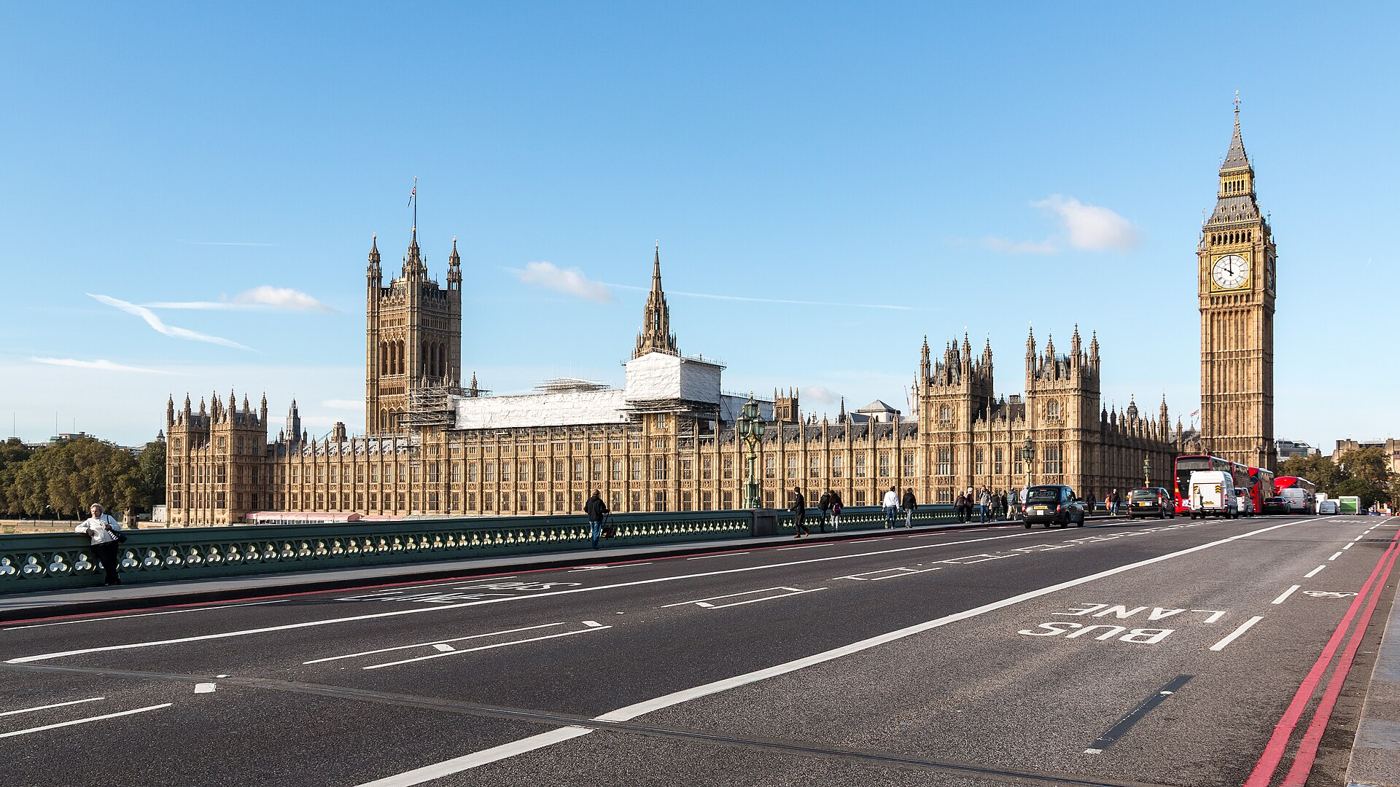
Chancellor Rachel Reeves delivered the 2026 Autumn Budget on 28 October, a package that combined tax rises with targeted help for households.
Chancellor Rachel Reeves delivered the 2026 Autumn Budget on 28 October, a package that combined tax rises with targeted help for households. From 6 April 2027, tax rates on property and savings income rise by two percentage points, to 24 percent for basic-rate taxpayers, 44 percent for higher-rate taxpayers and 49 percent for additional-rate taxpayers. The annual Cash ISA limit stays at 20,000 pounds, and a new Pension Tax Allowance will protect pensioners whose total income is at or below the full new State Pension from income tax. Households in council tax bands A to D in England will receive a one-off 100-pound Household Energy Payment from January 2027, and gas standing charges are to be abolished by the end of 2027, benefiting about 23 million households. A new First Time Buyer ISA will replace the Lifetime ISA for new savers from April 2029. The Office for Budget Responsibility forecast growth of 1.2 percent in 2026 and 1.0 percent in 2027.
The Budget also contained measures aimed at small businesses and the high street. A 1-billion-pound business rates package gives shops, restaurants and cafes in England a two-year real-terms freeze, and about 70,000 more small retail, hospitality and leisure properties will be taken out of business rates altogether. The Trading Allowance rises to 3,000 pounds from April 2027, and a new Founders’ Relief is aimed at people starting businesses. Minimum wage rates rise by 3.9 percent from April 2027, and the fuel duty freeze is extended until July 2027. Markets reacted with volatility after the announcement, with some shares falling sharply as investors weighed the tax rises. The Chancellor argued the package would ease immediate pressures while supporting enterprise, but critics said higher taxes on savings and property income would discourage investment. For households, the test will be whether the energy payments and the end of gas standing charges outweigh the extra tax. Reporting and analysis from sources such as World Bank track the same developments, and specialists following the 2026 Autumn Budget say the direction is now consistent across independent lines of evidence.
For households and small firms, the 2026 Autumn Budget matters through prices and access rather than through market commentary. Changes at this level arrive as a rate on an offer letter, a fee on a statement or a product that quietly disappears from a comparison table. Consumer groups argue that transparency at exactly that point of decision is worth more than any amount of market-level reporting.
The outlook for the 2026 Autumn Budget hinges on policy choices that will be made in the open over the coming quarters. Market participants are positioned for more than one outcome, which is why the immediate reaction to each announcement has been smaller than the commentary around it. For ordinary savers and borrowers, the advice from every quarter is the same: review your own position, not the headlines. You can follow related developments in our coverage of finance.
It is also worth remembering how quickly the picture in this area has changed before. Positions that looked settled a few years ago have been revised as new data arrived, and the same humility is appropriate now. The strongest coverage of this subject, and the most useful advice, tends to come from sources that update their views openly when the facts move, rather than defending an earlier position long after it has stopped fitting the evidence available.