Physical Address
304 North Cardinal St.
Dorchester Center, MA 02124
Physical Address
304 North Cardinal St.
Dorchester Center, MA 02124

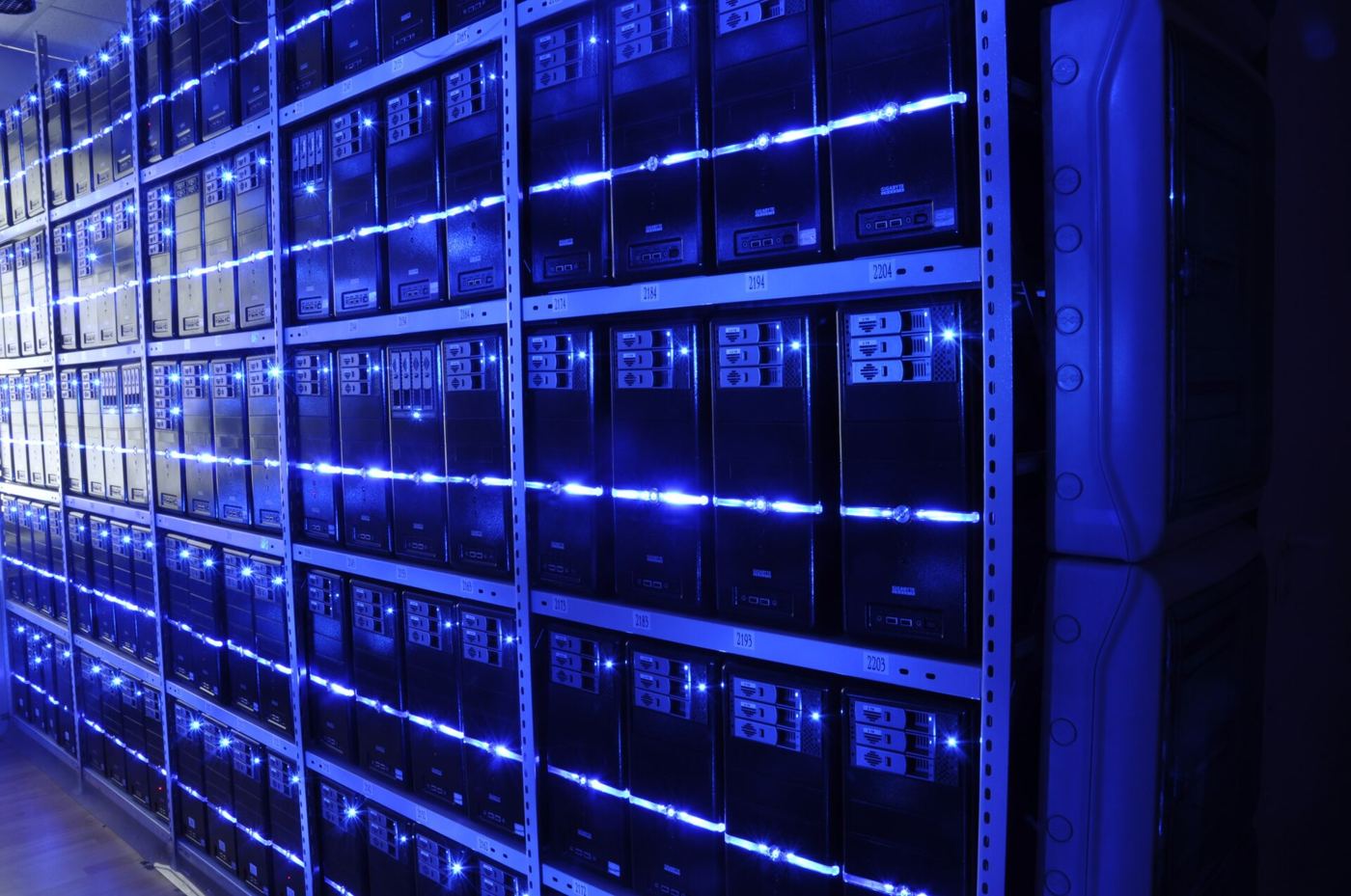
Engineers working in modern data centres are paying close attention to cooling efficiency as demand for cloud services, streaming, and artificial.
Engineers working in modern data centres are paying close attention to cooling efficiency as demand for cloud services, streaming, and artificial intelligence continues to grow. Rows of servers generate substantial heat while running around the clock, and keeping temperatures stable without wasting energy is now a central design challenge. Operators use detailed monitoring to track airflow, humidity, and power use in real time, adjusting cooling systems before small problems affect performance. Many facilities also separate hot and cold aisles, seal gaps in server racks, and schedule maintenance carefully so essential services for hospitals, businesses, and public organisations remain available without interruption.
Newer buildings are being designed with more efficient layouts, improved insulation, and in some locations systems that reuse waste heat for nearby offices or homes where that is practical. Engineers stress that reliability remains the first priority, because cooling failures can force servers to shut down quickly to prevent damage. Backup power, redundant cooling units, and regular testing are therefore built into daily operations rather than treated as extras. As computing demand rises, the industry is also training more technicians in both electrical systems and environmental management, recognising that running digital infrastructure well now requires a broad mix of practical and analytical skills. Reporting and analysis from sources such as Wired track the same developments, and specialists following data centre cooling efficiency say the direction is now consistent across independent lines of evidence.
The wider context is an industry learning to ship capability and restraint together. Products built around data centre cooling efficiency now launch with safety evaluations, usage data and rollback plans as standard, because enterprise buyers and regulators ask for them in the first meeting. Companies that treated those questions as friction are discovering they have become the purchase criteria.
What happens next for data centre cooling efficiency depends less on another breakthrough than on the unglamorous work of reliability, pricing and support. The buyers evaluating it now are not enthusiasts; they are operators with budgets and auditors, and their checklists will decide the timeline. On the evidence of the current pilots, the technology has earned the right to be judged by them. You can follow related developments in our coverage of technology.
None of this will be settled by a single announcement, study or product launch. The pattern to watch is accumulation: independent confirmations, honest reporting of failures and steady improvement in the underlying numbers. Readers who follow those signals, rather than the loudest claim of the week, will understand this subject better than most of the commentary surrounding it suggests is possible.
There is a practical lesson in all of this for readers deciding what to do today. Start with the verified facts, be wary of anyone promising certainty, and prefer reversible steps while the evidence is still developing. Circumstances differ by country, income and personal situation, so general guidance should always be weighed against your own context before you act on it in any significant or lasting way.